★Wall Street Sees Fed Shift: Historic FOMC Division Becomes a Liability
The key here is the perception of Fed unity and predictability, which has been a bedrock for market stability. If the FOMC is seen as deeply divided, it introduces significant policy uncertainty, making it harder for investors to price in future interest rate moves or economic support. This shift could lead to increased risk premiums and a more volatile market environment overall.
Why This Matters
- ▸Historic FOMC division signals policy uncertainty.
- ▸Potential shift from Fed support to market liability.
Market Reaction
- ▸Increased market volatility expected.
- ▸Investors may adopt a more cautious stance.
What Happens Next
- ▸Watch for future FOMC votes and dissents.
- ▸Monitor market sentiment towards Fed independence.
The Big Market Report Take
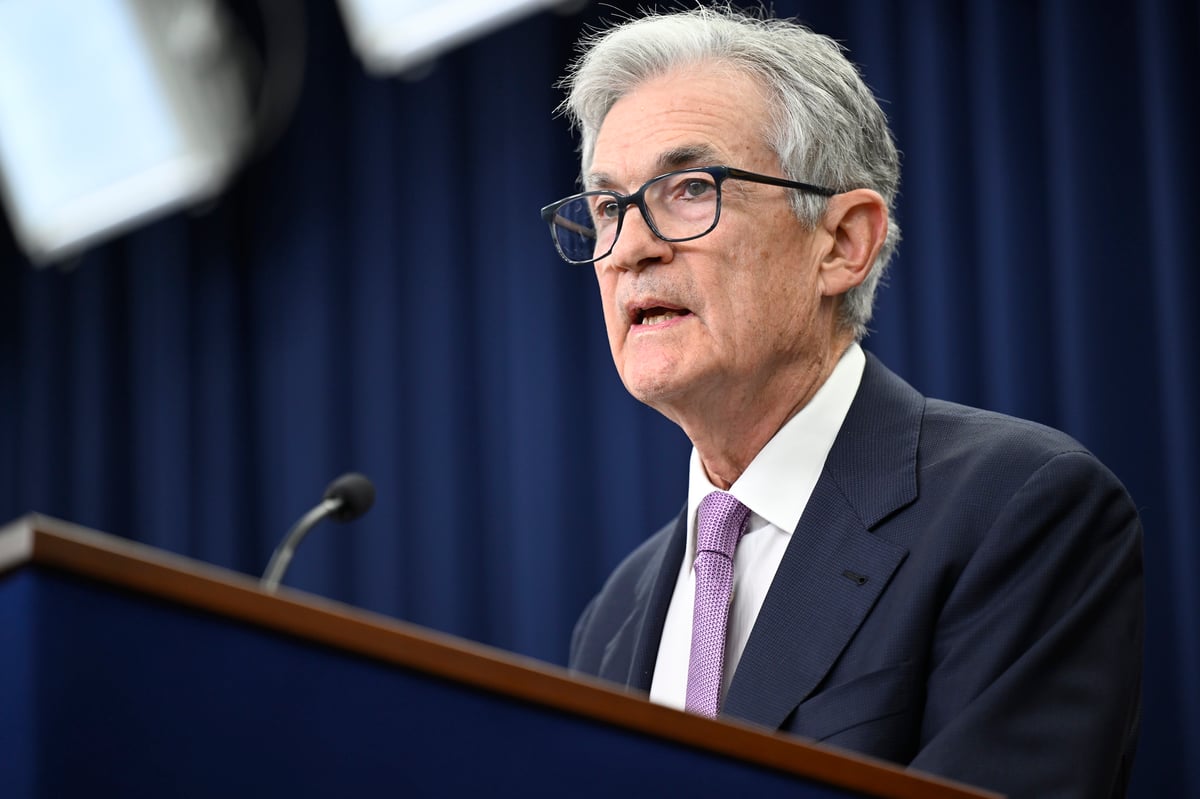
Well, folks, it looks like Wall Street is bracing for a new era as Jerome Powell's tenure as Fed Chair is being viewed through the lens of unprecedented FOMC division. This isn't just about a few dissenting votes; it's about a central bank that's potentially transforming from a market foundation to a liability. The old adage of "Don't fight the Fed" might need a serious re-evaluation if this internal strife continues. This could significantly complicate future monetary policy decisions, adding a layer of uncertainty markets absolutely despise.
Go deeper: Get Morningstar's independent analyst rating, fair value estimate, and portfolio tools for this story.
Morningstar Research →Affiliate link — we may earn a commission at no cost to you.
Related Guides
Never miss a story
More from this section
- 3M Warns Iran Conflict, Inflation Could Derail Global RecoverySeeking Alpha1h ago
- SocGen's Albert Edwards Warns: Double-Digit Inflation Looms Again for MarketsBloomberg Markets2h ago
- SocGen's Albert Edwards Warns: Double-Digit Inflation Returns, Threatening MarketsBloomberg Markets2h ago
- Albert Edwards: SocGen Bear Warns of Coming Inflation SurgeBloomberg Markets2h ago
- Iran War Ignites Energy Prices, Driving Demand for Inflation-Linked BondsBloomberg Markets3h ago